
Anyone who starts to invest in crypto sees USDT on almost every trading screen, whether as the BTC/USDT trading pair or as a place to park funds when the market swings. Yet many people are still unsure what USDT is, how it differs from Bitcoin, and how safe it is.
This article explains USDT in plain terms: how a stablecoin works, how USDT keeps its value close to one dollar, why it is useful for trading digital assets, the risks you should know, and the rules set by the Thai SEC, so you can decide with confidence.
What Is USDT?
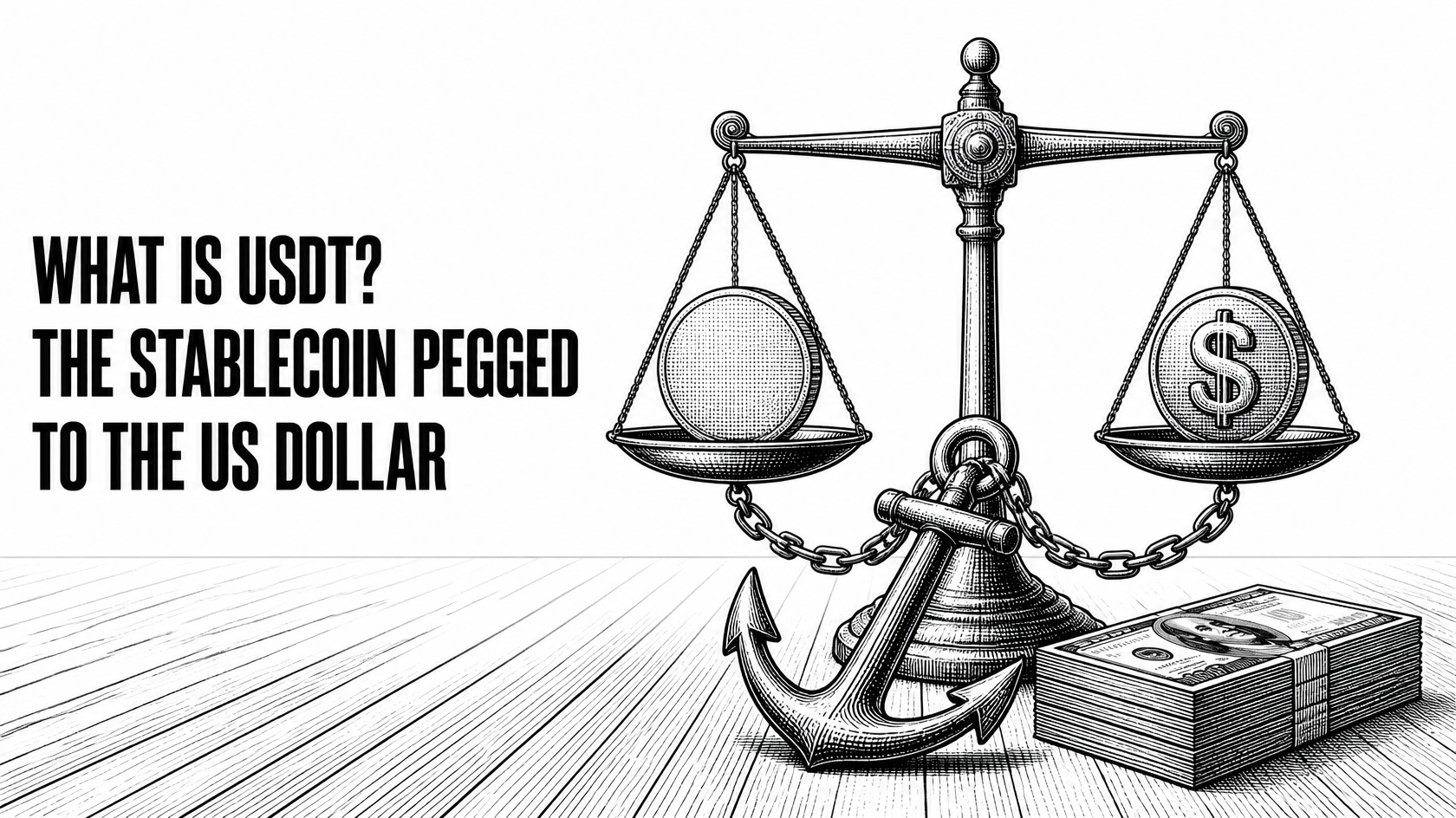
USDT (Tether) is a digital asset of the stablecoin type, issued by the company Tether. It is designed to stay close to 1 US dollar per 1 USDT at all times, unlike Bitcoin, whose price moves with buying and selling pressure in the market.
Think of USDT as a “digital dollar” that can move over a blockchain 24 hours a day. It has become the world’s largest stablecoin, with a circulating supply of about USD 184 billion (DefiLlama data as of 1 October 2026).
How Stablecoins Differ from Other Cryptocurrencies
- Regular cryptocurrencies such as Bitcoin and Ether are highly volatile and suit investors looking for growth.
- Stablecoins such as USDT and USDC aim for a steady price, which makes them useful for parking funds, as trading pairs, and for moving value between platforms.
How Does USDT Hold Its 1-Dollar Value?
For every USDT issued, the issuer must hold reserves of equal or greater value. Most of Tether’s reserves are short-term US Treasury bills and other highly liquid assets.
- When someone deposits dollars, the issuer creates new USDT (mint).
- When someone redeems USDT, the issuer destroys those tokens (burn) and returns the dollars.
- This mechanism pulls the market price back toward one dollar whenever it drifts.
Tether publishes a quarterly reserve attestation. Its report as of 30 June 2026 showed reserves exceeding token liabilities by about USD 4.1 billion. Note that an attestation is a snapshot at one point in time, not a full audit.
Which Blockchains Is USDT On?
USDT is issued on several blockchains. The largest are Tron (TRC-20) and Ethereum (ERC-20), followed by BNB Chain, Solana and others.
⚠️ Before sending USDT to or from a platform, make sure the sender and receiver use the same network. If you pick the wrong one, the tokens may be lost and cannot be recovered.
Why Investors Use USDT
- Park funds during volatility. When you sell Bitcoin or other coins into USDT, your portfolio value stops swinging with the crypto market.
- Main trading pair. Many coins trade against USDT, which gives these pairs high liquidity.
- Hold value in dollars. Useful if you want to diversify currency risk.
- Fast transfers, 24/7. You can move funds between platforms within minutes.
USDT Risks You Need to Know
Although it is called a “stable” coin, USDT is not a bank deposit and has no deposit protection. The main risks are:
- Depeg risk. In a market crisis the price can drift away from one dollar for a while. During the Terra/LUNA collapse in 2022, USDT briefly fell to about USD 0.95 before recovering.
- Issuer risk. Its value depends on Tether’s ability to maintain its reserves.
- Regulatory risk. Stablecoin laws are changing worldwide. In the EU, for example, trading of USDT is restricted under the MiCA rules.
- Exchange-rate risk. If the Thai baht strengthens while you hold USDT, its value in baht falls.
- Scam risk. USDT is used in many scams. Never receive or send USDT because a stranger asks you to.
Is Trading USDT Legal in Thailand?
Yes, when you trade through a platform licensed by the Thai SEC. The SEC has allowed USDT and USDC to be used as trading pairs on licensed exchanges since 16 March 2025.
In September 2026 the SEC board also approved further principles for stablecoin transactions (currently under public consultation before becoming formal rules), such as a cap on stablecoin transfers in and out of THB 5 million per day, checks that the sending and receiving wallets belong to the same customer, and screening for mule accounts to prevent money laundering. Always follow the final SEC announcement for the details.
Licensed Platforms vs. Unlicensed Overseas Platforms
| Topic | Licensed by the Thai SEC | Not licensed in Thailand |
|---|---|---|
| Identity check | KYC under Thai law | May be lax |
| THB deposits and withdrawals | Through a bank account in your own name | Often via P2P, with mule-account risk |
| Complaints | A regulator oversees the platform | Almost none |
| Tax benefit | Capital-gains exemption, subject to conditions (2025–2029) | Not eligible |
How to Buy USDT with Thai Baht: A Beginner’s Guide
- Sign up with a licensed platform such as Maxbit.
- Verify your identity (KYC) through ThaID or NDID and pass the knowledge test.
- Deposit Thai baht from a bank account in the same name as the account holder.
- Choose the USDT/THB pair and enter the amount you want to buy.
- Check the price and fees before confirming your order.
Frequently Asked Questions About USDT
What is the difference between USDT and USDC?
Both are stablecoins pegged to the dollar. USDT is issued by Tether and has the largest supply. USDC is issued by Circle, a US company. Both are approved as trading pairs on licensed exchanges in Thailand.
Do I earn interest by holding USDT?
Simply holding USDT pays no return. Its value changes only with the baht–dollar exchange rate.
Why isn’t USDT exactly one dollar?
The market price comes from supply and demand, so it can drift slightly. Prices in Thai apps are also shown in baht, so they move with the exchange rate.
Use USDT Wisely and Safely
USDT is a key tool for crypto investors, both as a place to park funds and as a main trading pair. It still carries issuer, regulatory and exchange-rate risks. The best approach is to trade on a licensed platform and choose the correct network every time you transfer.
Open your Maxbit account today to trade USDT and Bitcoin on a platform regulated by the Thai SEC.
Risk warning: Cryptocurrencies and digital tokens are highly risky. You may lose your entire investment. Please study and understand the risks before deciding to invest.