
Many investors plan carefully where to buy Bitcoin but never plan when to sell. When the price falls they hold on in hope, and when it rises they hesitate to sell until the gains disappear. The tools that solve this are the stop-loss and the take-profit.
This article explains what these two orders are, how to set them with a clear method, how to size a position based on the risk you can accept, and what to watch out for when you trade crypto, so your digital asset investing becomes more disciplined.
What Are Stop-Loss and Take-Profit?
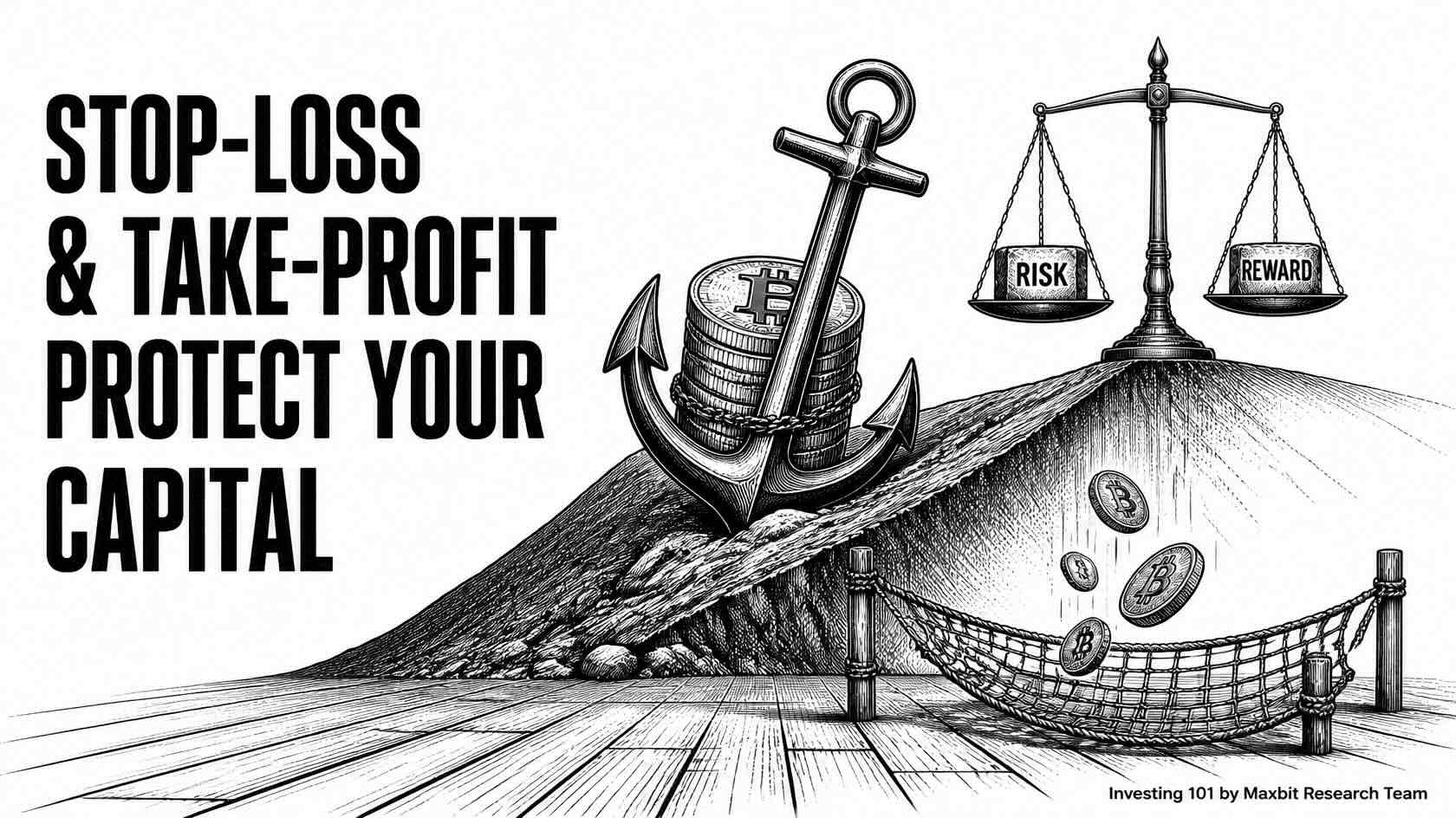
- Stop-loss: a price you set in advance at which you will sell to limit your loss if the market falls to it.
- Take-profit: a price you set in advance at which you will sell to lock in gains if the market rises to it.
The key is deciding in advance while you are calm, not in the middle of fear or greed.
Why You Need a Stop-Loss
- It limits damage. Crypto is highly volatile, and prices can fall by tens of percent in a short time.
- It reduces emotional decisions. You no longer hold on hoping the price will come back.
- It preserves capital. A 50% loss needs a 100% gain to break even, so cutting losses early matters.
3 Ways to Set a Stop-Loss
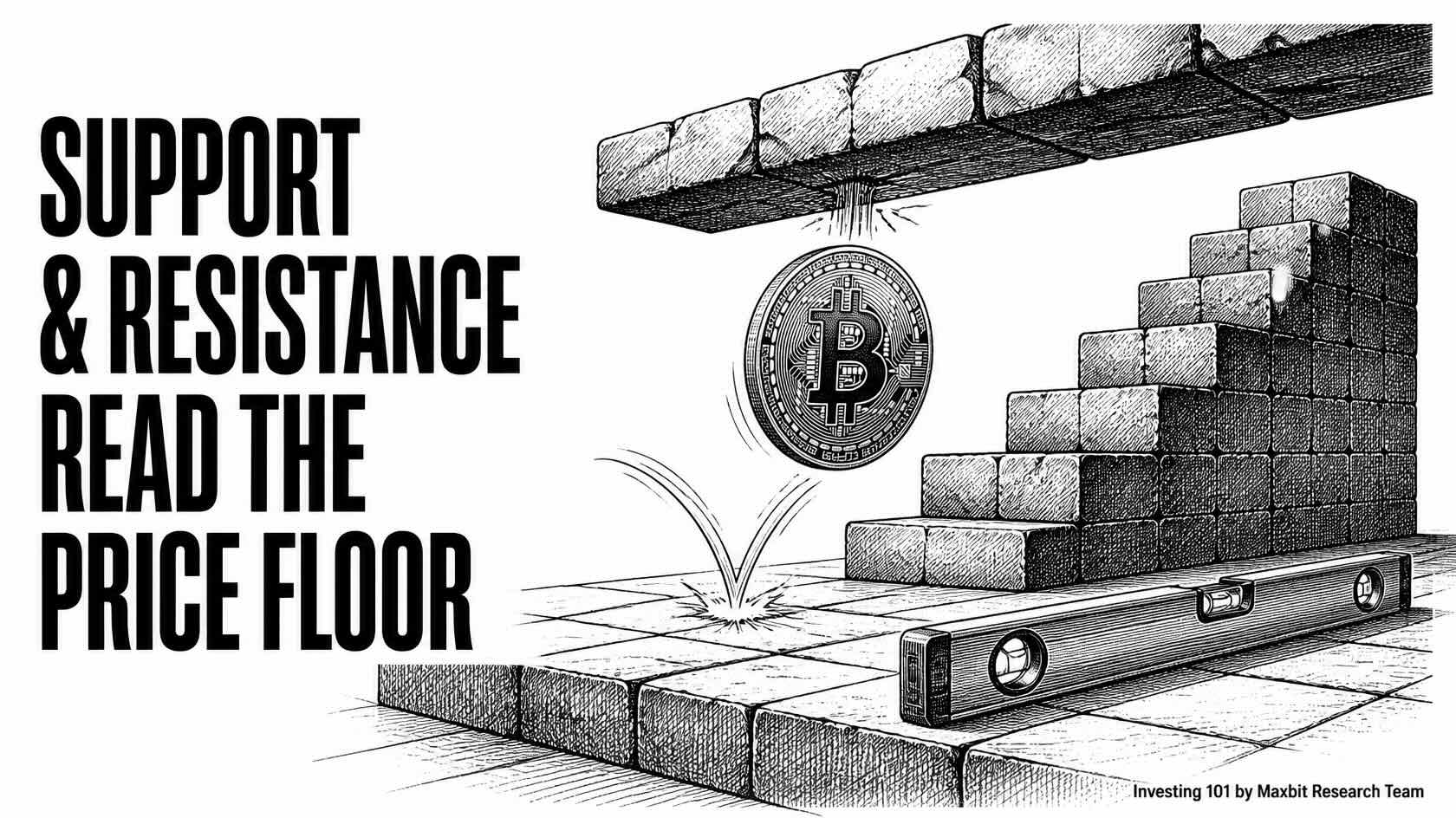
- Use support. Place the stop slightly below a key support level. If price breaks it, the reason you bought no longer holds.
- Use a fixed percentage, such as 5–10% below your entry. This suits beginners who are not yet fluent with charts.
- Use an amount you can afford to lose. Decide first how many baht you accept losing, then work back to a price.
Position Sizing with the 1–2% Risk Rule
A common rule among professional investors is to risk no more than 1–2% of your portfolio on any single trade. The example below uses hypothetical numbers to show the idea.
| Step | Example |
|---|---|
| Portfolio size | THB 100,000 |
| Risk per trade (2%) | THB 2,000 |
| BTC entry price | THB 3,000,000 |
| Stop-loss (−5%) | THB 2,850,000 |
| Take-profit (+10%) | THB 3,300,000 |
| Position size = 2,000 ÷ 5% | THB 40,000 |
In this example you risk 5% to aim for 10%, a 1:2 risk-to-reward ratio. Even if you are right only half the time, the portfolio can still grow.
Take-Profit: When to Sell
- Set targets just below resistance, since price often slows near a previous ceiling.
- Scale out in steps, for example sell half at the first target and move the stop-loss up to your entry for the rest.
- Stick to your plan and do not keep moving your target out of greed.
Orders for Setting a Stop-Loss
Many platforms offer a stop-limit order: you set a trigger (stop) price and a sell (limit) price. When the market touches the trigger, the system places a limit order automatically. Available order types depend on each platform. If there is no automatic order, set a price alert and sell manually according to your plan.
⚠️ In very volatile markets the price can gap past your trigger. A stop-limit order may not fill if the price does not return to your limit price, so leave a sensible gap between the stop and limit prices.
Common Mistakes
- Setting the stop too tight, so normal volatility knocks you out.
- Moving the stop lower as price approaches it, which leads to bigger losses than planned.
- Ignoring fees when calculating your break-even point.
- Investing money you need for daily living, which makes it hard to stick to the plan.
Frequently Asked Questions About Stop-Loss and Take-Profit
Do I need a stop-loss if I invest long-term with DCA?
Not always. DCA investing usually controls risk by limiting your allocation and using spare money instead, but you should still review your portfolio regularly.
How far below my entry should a stop-loss be?
There is no fixed number. It depends on the coin’s volatility and where support sits. Size your position so that hitting the stop costs no more than 1–2% of your portfolio.
What is a good risk-to-reward ratio?
Many traders look for at least 1:2, meaning the potential gain is twice the risk, but the target must also be realistic.
Plan Before Every Trade
A stop-loss and take-profit will not make every trade profitable, but they keep each loss within limits you can accept and make your investing follow a plan rather than emotions.
Open your Maxbit account today to trade Bitcoin and USDT on a platform regulated by the Thai SEC.
Risk warning: Cryptocurrencies and digital tokens are highly risky. You may lose your entire investment. A stop-loss order does not guarantee a sale at your set price. Please study and understand the risks before deciding to invest.