
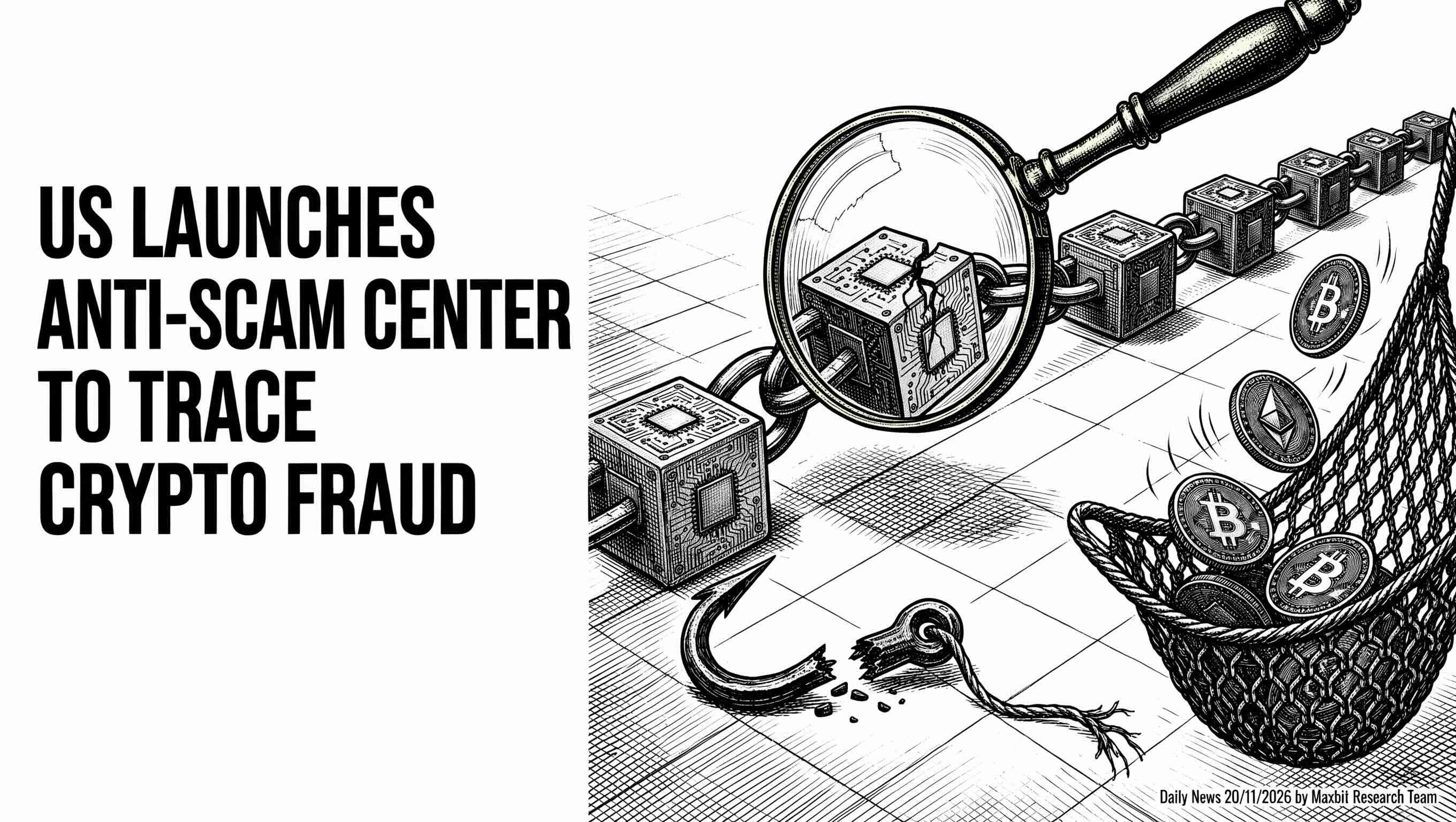
The US government has launched the "Threat Disruption Center", a new anti-scam unit under the Homeland Security Task Force (HSTF), on Wednesday, November 18, 2026. It links more than 30 federal agencies and over 440 state and local partners, and uses software from blockchain analytics firm TRM Labs to trace crypto stolen through fraud. The move matters because US losses to digital asset investment scams topped $11 billion last year, and the FBI says many of these schemes are run from Southeast Asia, close to home for Thai investors. This article explains how the new center works, the key numbers behind it, and how investors in Thailand can protect themselves.
US Launches a New Center to Chase Crypto Scam Money: The Details
According to the HSTF announcement cited by several outlets, the Threat Disruption Center sits within the National Coordination Center, which is co-led by the Department of Homeland Security (DHS) and the Department of Justice (DOJ). Its goal is to shorten the time between a victim's report and a response, stopping money from moving from victims to foreign criminal groups.
At the core is TRM Labs' Ardence platform, used to process complaints, trace on-chain transactions and map scam networks. The center then shares information with private businesses, including crypto service providers, so they can pause payments, pull domains or ban accounts under their own terms of service.
| Item | Figure / detail |
|---|---|
| New unit | Threat Disruption Center, under the Homeland Security Task Force (HSTF) |
| Launch date | November 18, 2026 (US time) |
| Government network | 30+ federal agencies + 440+ state and local partners |
| Main private partner | TRM Labs (Ardence investigations platform) |
| TRM Labs contract value | About $94.66 million (awarded July 2026, runs to August 2027) |
| US online crime losses, 2025 (FBI IC3) | $20.9 billion |
| Crypto-related only | 181,565 complaints, over $11 billion in losses ($7.2 billion from crypto investment fraud) |
| FBI Operation Level Up results | 8,000+ victims notified, over $500 million in losses prevented |
| Market context: BTC price | About $63,800 (Nov 19, 2026), down about 11% from Nov 12 |
"Every hour gives criminals more time to launder funds"
Heith Janke, operations director of the FBI's Criminal Branch, said every hour between a victim's report and a response gives criminals more time to launder stolen funds. John A. Condon, a senior acting official at Homeland Security Investigations (HSI), said the center will help identify and dismantle criminal networks faster and disrupt fraud at its source.
Background: Why the US Is Moving Now
The FBI's 2025 IC3 report put total reported online crime losses at $20.9 billion. Crypto-related cases accounted for 181,565 complaints and more than $11 billion in losses, of which over $7.2 billion came from crypto investment fraud. According to The Block, the same report says many of these schemes are run from Southeast Asia, some using trafficked workers.
The new center builds on the FBI's Operation Level Up, launched in 2024, which has notified more than 8,000 victims who were being scammed and prevented over $500 million in losses.
The TRM Labs contract and a legal challenge
The government's contract with TRM Labs is worth about $94.66 million, awarded in July 2026 and running through August 2027, according to federal procurement records. According to FinanceFeeds, rival Chainalysis Government Solutions has sued over the award, alleging competition was restricted.
Reaction and Market Context
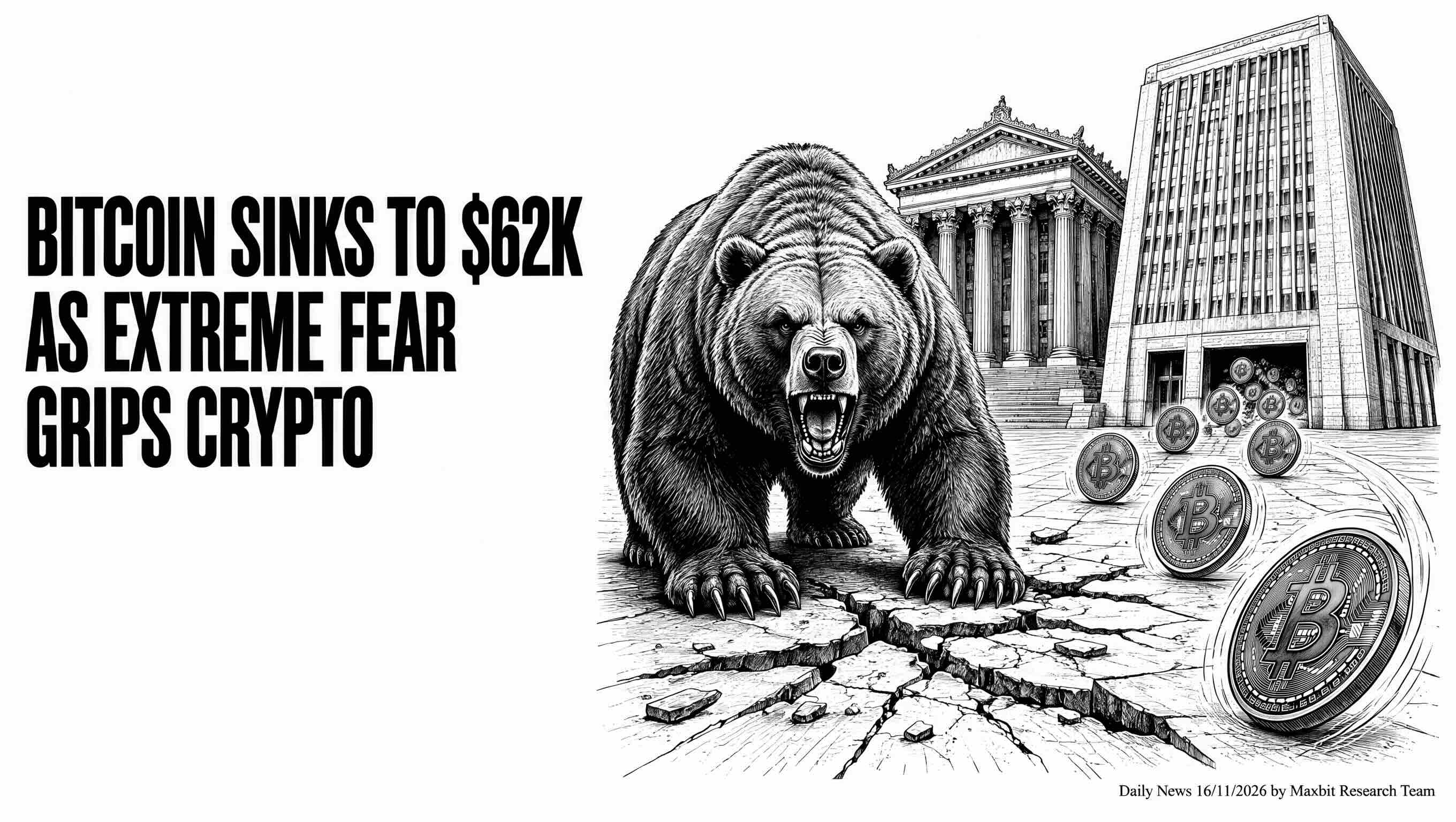
The news has no direct price impact, but it reflects a global trend of authorities using on-chain data to chase illicit funds, which supports long-term trust in the system. The market remains in a downtrend: Bitcoin traded around $63,800 on November 19, down about 11% from November 12, and spot Bitcoin ETFs saw roughly $975 million in net outflows over seven days, according to Lookonchain data cited by crypto.news.
What It Means for Investors in Thailand
Thailand faces the same problem. The Thai SEC reported 60,968 suspended mule accounts as of June 2026, and scam tip-offs rose about 150% in the first half of 2026. Faster tracing in the US may help cut off cross-border criminal money flows, but it does not mean victims will always get their money back, especially when funds pass through unlicensed platforms or anonymous wallets.
⚠️ Warning: Scammers often pitch crypto investments through dating apps, LINE groups or fake pages, promising guaranteed high returns, then ask you to send USDT to a wallet or platform they choose. If a stranger invites you to invest this way, assume it is a scam. Read more: Common Crypto Scams and How to Protect Yourself
Other Notable News Today
- CFTC outlines a path for on-chain derivatives venues: CFTC Chairman Michael Selig said on Nov 19 that platforms such as Hyperliquid wanting to serve US retail traders must register as an exchange or partner with a registered one (The Block).
- CLARITY Act misses its 2026 window: Rep. French Hill and Sen. Bernie Moreno acknowledged the US crypto market structure bill missed its chance to pass in 2026, and neither expects passage in the remaining session (The Block).
- Ant International tests tokenized asset settlement: It launched a protocol for real-time settlement between tokenized deposits and tokenized money market funds under Singapore MAS's BLOOM initiative (The Block).
What Should Investors Do?
- Invest only through platforms regulated by the Thai SEC. You can check the licensed operator list on the SEC website.
- Never send crypto to a wallet someone else gives you, and never lend your account — see What Is a Crypto Wallet?
- Complete identity verification. Legitimate platforms must run KYC on every account — see What Is KYC?
- If you are scammed, report it immediately to hotline 1441 or thaipoliceonline.go.th, and keep all evidence and transaction IDs (TxID).
Frequently Asked Questions (FAQ)
What is the Threat Disruption Center?
It is a new unit of the US Homeland Security Task Force (HSTF), launched on November 18, 2026. It brings together more than 30 federal agencies and over 440 state and local partners to trace crypto obtained through scams and to help private companies pause payments, take down domains or close accounts used by criminal networks faster.
Why does this matter to investors in Thailand?
The FBI says many crypto investment scams are run from Southeast Asia, and Thai investors are also targeted. Faster tracing in the US may help cut off these networks' money flows, but it does not guarantee that victims get their money back. The best protection is still to never send funds to strangers and to invest only through platforms regulated by the Thai SEC.
What should I do if I have already sent crypto to a scammer?
Collect all evidence, including chats, transfer slips and transaction IDs (TxID). Report it immediately to Thailand's Technology Crime Suppression hotline 1441 or thaipoliceonline.go.th, and notify the platform you used for deposits and withdrawals. The sooner you report, the better the chance of freezing funds before they are laundered.
Invest in Bitcoin and USDT with confidence on a platform regulated by the Thai SEC — Sign up for Maxbit
Risk warning: Digital assets are high risk and highly volatile. Investors may lose their entire investment. Please study the information carefully before investing. This article is for informational purposes only and is not investment advice.